Why Tretinoin Is Not a Spot Treatment (And How to Use It Correctly)
May 18, 2026@samanthaschneidermd I see this mistake all the time. Tretinoin isn’t a spot treatment — it’s not designed to shrink a pimple overnight. What it actually does is work under the surface, over time, by normalizing how your skin cells turn over. That means it helps prevent clogged pores before they turn into breakouts. When you only apply tretinoin to active pimples, you miss that preventative benefit and instead concentrate irritation in already inflamed areas. That’s why spot-treating often leads to more redness, peeling, and barrier disruption — without better results. Tretinoin works best when it’s used consistently, in a pea-sized amount, spread thinly over the areas where you tend to break out (as tolerated). Slow, steady, and boring is how tretinoin actually delivers results. Save this if you’re using tretinoin — and follow for evidence-based skin advice.
♬ original sound - Samantha Schneider, MD
If you’re using tretinoin for acne, there’s one common mistake that can seriously limit your results:
👉 Using it only as a spot treatment.
It makes sense—you see a breakout, you treat the breakout. But tretinoin doesn’t work that way.
Let’s talk about what it actually does—and how to use it for the best results.
How Tretinoin Really Works
Tretinoin is a topical retinoid that works beneath the surface of your skin.
It helps:
- Increase cell turnover (so your skin sheds dead cells more efficiently)
- Prevent clogged pores
- Target microcomedones (tiny, invisible breakouts forming under the skin)
- Regulate oil (sebum) production
In other words, it’s not just treating what you see—it’s preventing what you don’t see yet.
Why Spot Treating Doesn’t Work
When you only apply tretinoin to visible pimples:
- You’re missing the areas where new breakouts are forming
- You’re not improving overall skin turnover
- You’re not fully addressing oil and pore clogging
👉 So you end up chasing acne instead of preventing it.
The Right Way to Apply Tretinoin
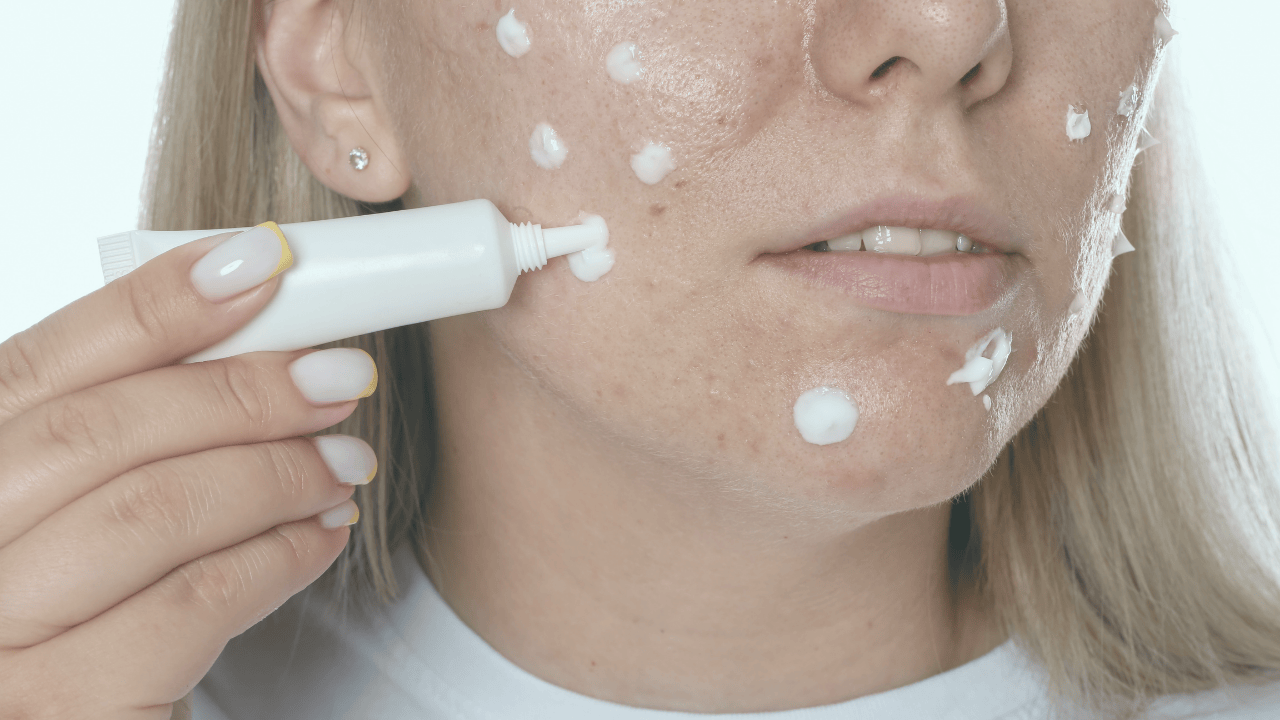
To get the full benefit, tretinoin should be used on your entire face (not just problem spots).
How much to use:
- About a chocolate chip–sized amount
How to apply:
- Dab small amounts across your face
- Gently spread it evenly
- Avoid sensitive areas (like corners of the nose, eyes, and mouth if needed)
Consistency matters more than quantity.
Dealing With Irritation: The “Sandwich Method”
Tretinoin can be powerful—and sometimes drying, especially at first.
If you’re experiencing irritation, try the sandwich method:
- Apply a moisturizer first
- Apply your tretinoin
- Follow with another layer of moisturizer
This helps reduce:
- Dryness
- Flaking
- Irritation
…without reducing effectiveness.
What to Expect
Tretinoin is a long game.
With consistent use, you’ll start to see:
- Fewer breakouts
- Smoother skin texture
- Improved overall clarity
But it takes time—and using it correctly makes all the difference.
Final Thought
Tretinoin isn’t just a treatment—it’s a prevention tool.
If you’re only using it on individual pimples, you’re missing its biggest benefit.
Apply it consistently, use it correctly, and give it time—you’ll get much better results.
Follow Dr. Schneider on TikTok Instagram Facebook
Want the transcript for this video instead?
No, tretinoin is not a spot treatment. Let's talk about why you really need to be putting it all over your face, especially if you're treating acne. I see patients in my clinic all of the time for concerns about acne since I'm a board certified dermatologist, and I can't tell you how many times people tell me, oh, that they're just putting a little bit on their individual acne lesions.
This is not giving you the best benefit of your Tretinoin. Okay? The way that it works is it helps increase cell turnover, so it's helping smooth out the top layer of skin. It helps attack what's called microcom. These are teeny, teeny tiny pimples that we haven't quite seen yet. They haven't burst to the surface.
It helps the body. Expel sebum, which is the oil more completely. So it's very good for, um, kind of drying up oil. And so if you're only putting it on the acne bumps that we can already see, you're not getting the cell turnover, you're not getting the increased oil. Expulsion not getting the targeting of the microcom that you can't see yet, so you're really not getting the ultimate benefit of the medication.
Chocolate chip sized amount on your finger that you dab all over your face and then rub it in. And remember the sandwich method if you are having irritation from using your Tretinoin, okay Moisturizer before and or after your Tretinoin so that you don't get dry, irritated and flaky. Make sure that you follow for more acne tips.