Sunscreen and Rosacea: How to Choose One Your Skin Will Tolerate
Mar 29, 2026@samanthaschneidermd Rosacea-prone skin? Stick to physical (mineral) sunscreen! ☀️ Zinc oxide & titanium dioxide are your best friends for UV protection without irritation. Sensitive skin approved! ✅ Drop your go-to mineral sunscreen in the comments! ⬇️ #RosaceaSkincare #MineralSunscreen #SunProtection #RosaceaAwarenessMonth ♬ original sound - Samantha Schneider, MD
When you have rosacea, sunscreen can feel tricky.
As a board-certified dermatologist—and someone who also has rosacea—I know this firsthand. Sunscreen is non-negotiable for protecting skin, but rosacea-prone skin is naturally more reactive. What works beautifully for one person can sting, burn, or trigger flushing in another.
So how do you choose the right sunscreen when your skin is sensitive?
Start With Your Triggers
Rosacea is different for everyone. Heat, stress, certain foods, skincare products—even specific sunscreen ingredients—can set off redness or irritation. The key is paying attention to what your skin is telling you.
One common issue? Some chemical sunscreen filters.
Chemical vs. Physical Sunscreens
Chemical sunscreens contain ingredients like:
- Oxybenzone
- Homosalate
- Octinoxate
- Octocrylene
These are the long, hard-to-pronounce names you’ll see on the active ingredient list. They aren’t “bad,” and many people tolerate them just fine—but for some with rosacea, they can feel irritating or trigger sensitivity.
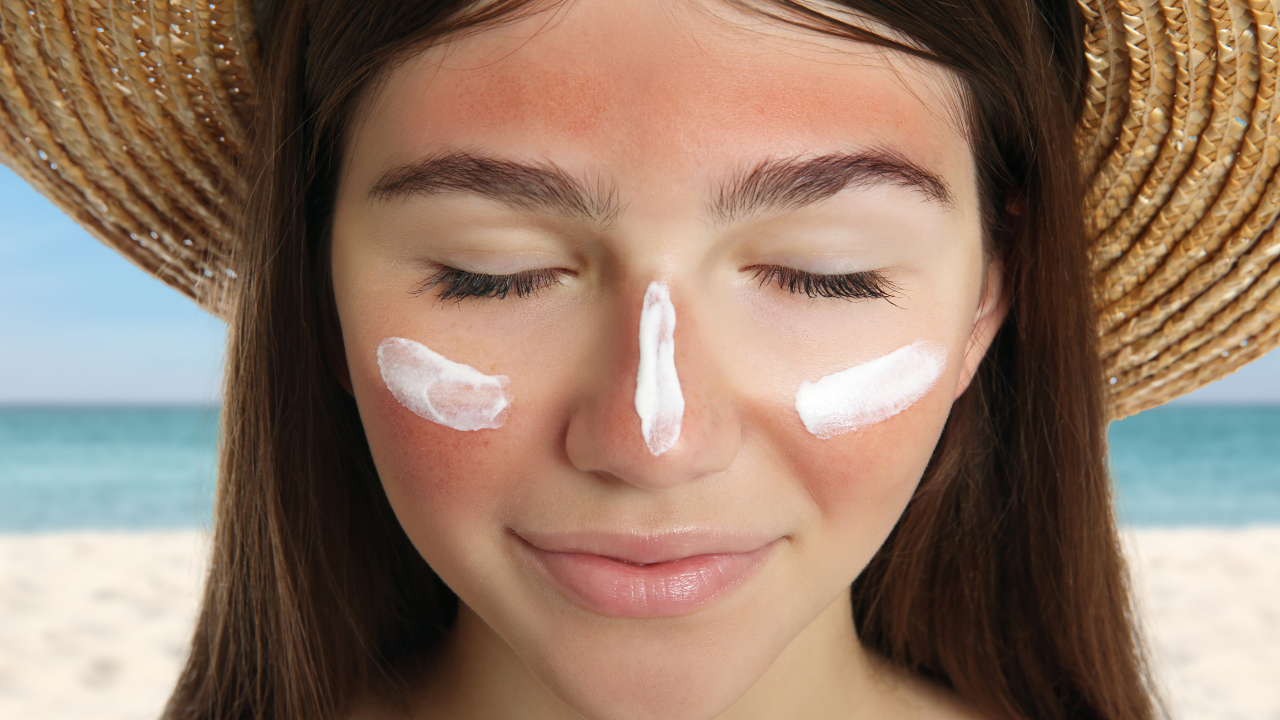
If that sounds familiar, consider trying a physical (mineral) sunscreen instead.
Mineral sunscreens use:
- Zinc oxide
- Titanium dioxide
Easy to read, easy to pronounce—and often easier on reactive skin. These ingredients sit on top of the skin and reflect UV light rather than absorbing it, which can make them gentler for people prone to redness and burning.
A Simple Strategy
If sunscreen tends to bother your skin:
- Flip the bottle over and read the active ingredients.
- Look for zinc or titanium as the main filters.
- Avoid heavily fragranced or multi-active formulas at first.
- Patch test new products before full use.
You don’t have to suffer through a sunscreen that stings just because it’s “supposed” to be good for you. The best sunscreen is the one your rosacea will actually tolerate every day.
Have you noticed a difference when you use zinc or titanium-based sunscreens? I’d love to hear what’s worked—or hasn’t worked—for your skin.
Follow Dr. Schneider on TikTok Instagram Facebook
Want the transcript for this video instead?
Let's talk about sunscreen and rosacea for just a hot minute. So I'm Dr. Schneider, board certified dermatologist. I also have rosacea, so I have to really think about these things. 'cause obviously as a dermatologist I am wearing sunscreen all the time. I have sensitive skin 'cause I have rosacea. So here's the thing, when you have rosacea, your skin is just a little bit more reactive.
Everybody's triggers are gonna be different. So you have to sort of like. Pay attention to what seems to be making you worse. But one thing that can be irritating for some people with rosacea is some of the chemical filters. Now chemical filters in the chemical sunscreens are things that have the long name, that's oxybenzone.
Almost salicylate. It's the names that are really hard to pronounce, the long ones ate. So if the name is long and hard to pronounce, that is a chemical sunscreen. Now, that doesn't mean that there's anything wrong with it and that you necessarily can't use it, but it's something to pay attention to if you are getting a reaction or feeling sensitive when you're using sunscreen.
If you are that person, then using a physical sunscreen. Those are the ones with zinc oxide or titanium dioxide, so they're easy to pronounce. Zinc, titanium, easy to pronounce, easy to see, easy to read. Then those might be a better option for you. If you have rosacea and you struggle with sunscreen, let me know.
Have you noticed an improvement when you use the zinc or titanium? I wanna know. Tell me in the comments.
Let's talk about sunscreen and rosacea for just a hot minute. So I'm Dr. Schneider, board certified dermatologist. I also have rosacea, so I have to really think about these things. 'cause obviously as a dermatologist I am wearing sunscreen all the time. I have sensitive skin 'cause I have rosacea. So here's the thing, when you have rosacea, your skin is just a little bit more reactive.
Everybody's triggers are gonna be different. So you have to sort of like. Pay attention to what seems to be making you worse. But one thing that can be irritating for some people with rosacea is some of the chemical filters. Now chemical filters in the chemical sunscreens are things that have the long name, that's oxybenzone.
Almost salicylate. It's the names that are really hard to pronounce, the long ones ate. So if the name is long and hard to pronounce, that is a chemical sunscreen. Now, that doesn't mean that there's anything wrong with it and that you necessarily can't use it, but it's something to pay attention to if you are getting a reaction or feeling sensitive when you're using sunscreen.
If you are that person, then using a physical sunscreen. Those are the ones with zinc oxide or titanium dioxide, so they're easy to pronounce. Zinc, titanium, easy to pronounce, easy to see, easy to read. Then those might be a better option for you. If you have rosacea and you struggle with sunscreen, let me know.
Have you noticed an improvement when you use the zinc or titanium? I wanna know. Tell me in the comments.