What Is Your Acne Trying to Tell You? Understanding Breakout Locations
Jun 23, 2026@samanthaschneidermd Your breakouts aren't random — they're giving you clues 👀 Jawline, forehead, cheeks, back — location matters, but it's only part of the story. If you've been trying product after product with no results, it might be time to stop guessing and get a plan built for YOUR skin. Drop your questions below! #dermatologist #acnetips ♬ original sound - Samantha Schneider, MD
If you've ever looked in the mirror and wondered, "Why do I always break out in the same place?" you're not imagining things.
Acne isn't random. While the location of your breakouts doesn't tell the entire story, it can provide important clues about what may be contributing to them.
Think of acne as information. The challenge isn't that your skin isn't communicating—it's that many people don't know how to interpret the message.
As a dermatologist, one of the first things evaluated during an acne visit isn't just whether you have acne, but also where it's appearing.
Let's break down what different breakout locations may be trying to tell us.
Jawline Acne: Often Linked to Hormones
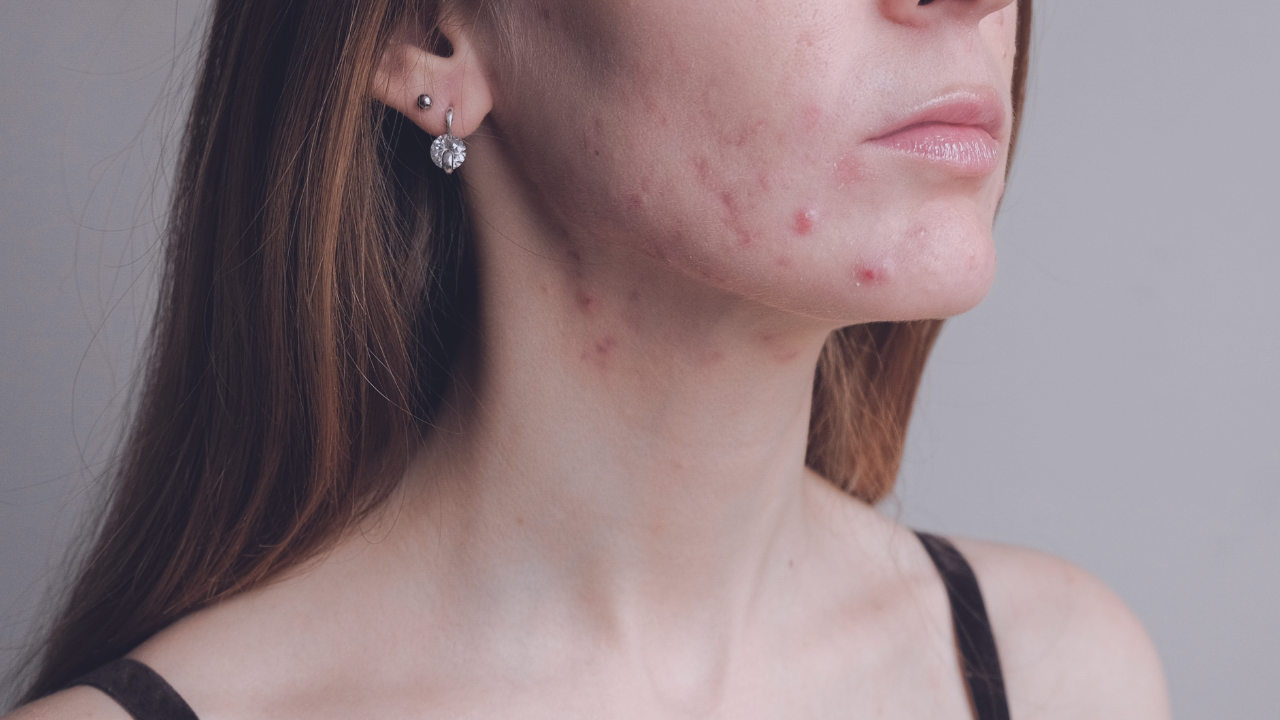
Breakouts along the jawline and lower face are commonly associated with hormonal influences, especially in women.
You may notice patterns like:
- Acne worsening around certain points in your menstrual cycle
- Deep, tender bumps under the skin
- Recurring breakouts in the same area
Hormones can stimulate oil production, creating an environment where acne becomes more likely.
Forehead and Nose: Oil and Congestion
The forehead and nose are part of what's commonly called the T-zone, an area that naturally tends to produce more oil.
Breakouts here can sometimes be related to:
- Excess oil production
- Congested pores
- Product buildup
- Sweat accumulation
These areas simply contain a higher concentration of oil glands, making clogged pores more common.
Cheek Acne: Consider What's Touching Your Skin
Breakouts on the cheeks can sometimes point toward friction or contact-related triggers.
Things worth considering include:
- Pillowcases
- Cell phones
- Hands touching your face
- Makeup brushes
- Hair products
Sometimes the pattern itself gives clues. For example, if acne appears mostly on one side of the face, think about habits like sleeping position or which side you typically hold your phone.
Chest and Back Acne: Follicles May Be Becoming Clogged
Acne on the chest and back often develops a little differently than facial acne.
These areas contain many hair follicles and oil glands, making them prone to:
- Clogged follicles
- Sweat buildup
- Friction from clothing
- Exercise-related irritation
Body acne can require different treatment strategies than facial acne.
Why Acne Location Matters
The reason dermatologists pay attention to acne location is because these clues can help guide treatment recommendations.
But here's the important part: location alone doesn't tell the whole story.
Two people can have acne in the exact same place and need completely different treatment plans.
That's one reason why what worked for your friend—or what you found online—may not be working for you.
Stop Guessing
If you've been cycling through over-the-counter products, trying different trends, and still aren't seeing the results you're hoping for, it may be time for a more personalized approach.
A dermatologist can evaluate not just where your acne appears, but also factors like severity, skin type, hormones, medical history, and lifestyle to create a treatment plan specific to you.
Because acne isn't one-size-fits-all—and treatment shouldn't be either.
Follow Dr. Schneider on TikTok Instagram Facebook
Want the transcript for this video instead?
Acne is literally giving you information, you just don't know how to read it, so let's demystify it right here. I'm a board-certified dermatologist. I see patients in my clinic every day with acne. Let's talk about the locations and what acne in different places is trying to tell you. Breakouts along the jawline that tends to be hormonal, especially if you're a woman, and it is correlating with certain times in your cycle, nose and forehead, that tends to be blocked oil glands and congested pores. Cheeks, that's usually something that's coming into contact with your skin. Pillowcases, cell phone,
especially if it's one-sided, like over here. This is my pillowcase. You're breaking out on your chest and on your back. It tends to be a sign that the follicles are actually getting clogged. Here's why this is important: it's because different locations are giving us different clues, and those clues help guide different treatment recommendations. Now, the location doesn't give us the full picture, and that's why it's really important to see a board-certified dermatologist, so that you can get customized plan for your specific scenario, that's why what's working for your friend's acne might not actually be working for yours. So, if you've been guessing at what to do over the counter with different skincare products for your acne, and you're not getting the results that you need, then it might be time to stop guessing. Make an appointment with a board-certified dermatologist. A dermatologist can actually look at what's going on and help give you a plan. Questions, drop them below.