Finasteride for Hair Loss: How It Works, Who It's For, and What You Should Know
Jul 21, 2026@samanthaschneidermd Finasteride has been FDA approved for male pattern hair loss since 1997 and it remains an effective tool in the hair loss toolbox. It targets DHT, the hormone responsible for shrinking hair follicles over time, and studies show it slows or stops hair loss in about 90% of men. It's also used off-label in post-menopausal women for hormonal hair loss — and for the right candidate it can be just as much of a game changer. Important note: it is absolutely not safe for women who are pregnant or could become pregnant. Yes, sexual side effects exist in a small percentage of patients and that's a real conversation to have with your dermatologist. The earlier you start, the better your results. Save this and send it to someone who needs to hear it. Treating hair loss is the conversation too many people are having too late. Time is hair!
♬ original sound - Samantha Schneider, MD
If you've been researching treatments for hair loss, you've probably come across finasteride. It's one of the most commonly prescribed medications for certain types of hair loss, especially in men, but many people still have questions about how it works and whether it's the right choice.
Here's what you should know.
What Is Finasteride?
Finasteride is a prescription medication that works by blocking dihydrotestosterone (DHT), a hormone that plays a major role in androgenetic alopecia, also known as male or female pattern hair loss.
It does this by inhibiting an enzyme called 5-alpha reductase, which converts testosterone into DHT. By lowering DHT levels, finasteride can help slow or stop the process that leads to thinning hair.
Why Does DHT Matter?
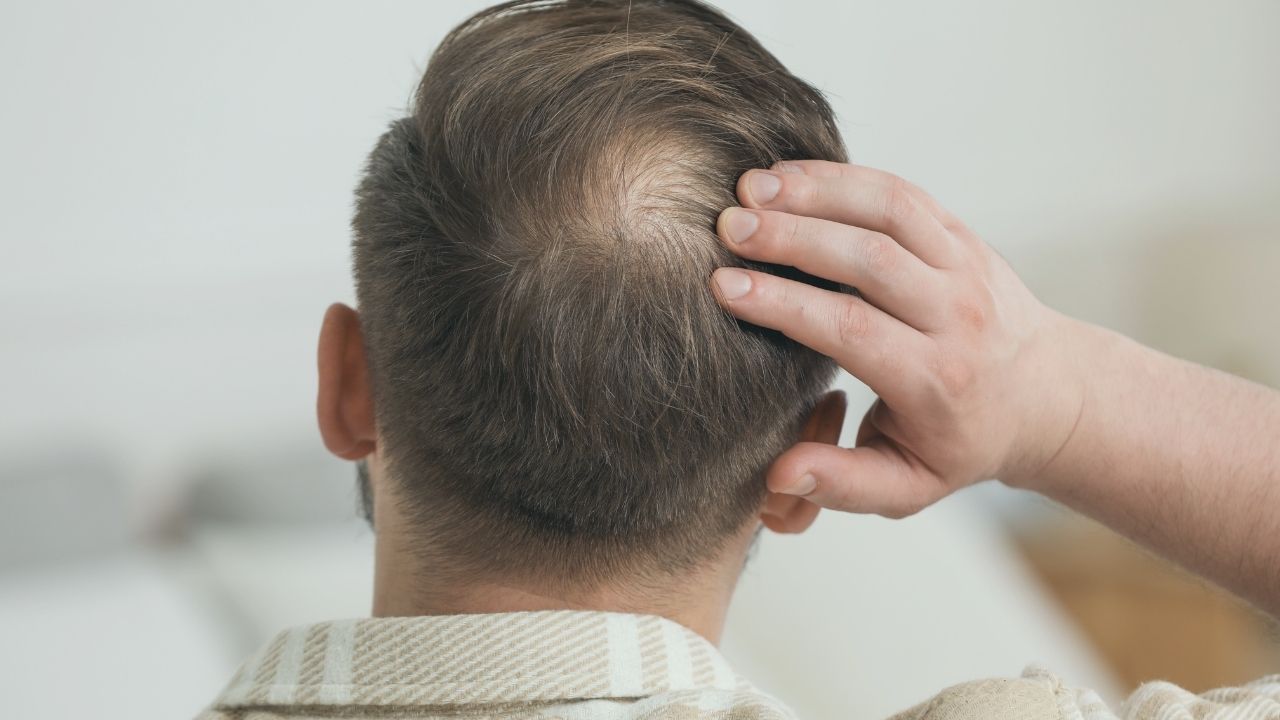
DHT can gradually shrink susceptible hair follicles over time.
As follicles become smaller, they produce thinner, weaker hairs. Eventually, some follicles stop producing hair altogether. Once a follicle has been lost, it can be difficult—or impossible—to restore it.
That's why dermatologists often emphasize that "time is hair." The earlier hair loss is evaluated and treated, the better the chance of preserving existing follicles.
Can Finasteride Help Regrow Hair?
For many people, yes.
By reducing DHT, finasteride may allow weakened hair follicles to recover and begin producing thicker, healthier hair again. Results vary from person to person, but many patients experience slowed hair loss, improved hair density, or even noticeable regrowth after several months of consistent treatment.
Is Finasteride Only for Men?
Finasteride is most commonly prescribed for men, but it may also be appropriate for some women under specific circumstances.
However, women who could become pregnant should not take finasteride unless appropriate precautions are in place. The medication can cause serious birth defects during pregnancy, so careful discussion with a healthcare provider is essential before considering treatment.
What About Side Effects?
Most people tolerate finasteride well.
However, a small percentage of patients—approximately 2% to 3%—may experience sexual side effects, including decreased libido. While uncommon, these side effects can significantly affect quality of life and should be discussed before starting treatment.
Every medication has potential risks and benefits, making an informed conversation with your physician an important part of deciding whether finasteride is right for you.
Is Finasteride Right for Everyone?
No.
Hair loss can have many different causes, including hormonal changes, nutritional deficiencies, autoimmune conditions, stress, medications, and genetics. Because of this, finasteride isn't appropriate for every type of hair loss.
A dermatologist can determine the underlying cause of your hair thinning and recommend the treatment plan that's most likely to help.
Don't Wait to Seek Treatment
If you've noticed your hair becoming thinner or you're shedding more than usual, don't assume it's something you simply have to live with.
The sooner the cause of hair loss is identified, the more treatment options may be available. If you've been trying over-the-counter products without success, schedule an appointment with a dermatologist to discuss whether finasteride—or another treatment—may be appropriate for your situation.
Early intervention can make a meaningful difference in preserving the hair follicles you still have and improving your long-term results.
Follow Dr. Schneider on TikTok Instagram Facebook
Want the transcript for this video instead?
I've been getting a lot of questions about finasteride for hair loss, so let's get into it. (0:05) I'm a board-certified dermatologist. I take care of patients with hair loss in my clinic all of the (0:10) time.
Finasteride is something that can be used for hair loss. It is a DHT blocker. It's 5-alpha (0:17) reductase inhibitor, which is that enzyme that converts testosterone to DHT.
It's often prescribed (0:23) for male patients. Now that's not to say that women can't use this medication, but you have (0:29) to be on really good birth control when you're going to be using this because it can cause (0:34) pretty significant birth defects if you are taking it. Now, the way that it helps is because that DHT, (0:41) when that gets to the hair follicles, it causes them to shrink.
Now, eventually, they shrink so (0:47) much that they disappear, and once they're gone, it's very hard to get them back. That's why I'm (0:51) always saying that time is hair. We want to make sure that we are rescuing those follicles before (0:57) they're gone.
Using a DHT blocker can help those follicles kind of wake back up and start to regrow. (1:04) So for some people, it can be extremely helpful. Most people do really well on this medication, (1:10) but 2-3% of people who start taking finasteride for their hair loss can have sexual side effects (1:16) like decreased libido, and that's something that can be very bothersome to people and deserves a (1:23) good conversation before you choose to start it or not.
So make sure you're bringing up these (1:28) concerns with your treating physician, your dermatologist. This medication is definitely (1:32) something in our toolbox when we're thinking about treating hair loss. If you've been struggling with (1:37) your hair at home, and you feel like you're trying everything, but it's not all working, (1:42) make sure you see your dermatologist and ask them about this medication because (1:45) it is not an option for everybody, but it may be an option for you.
Be sure to follow along.