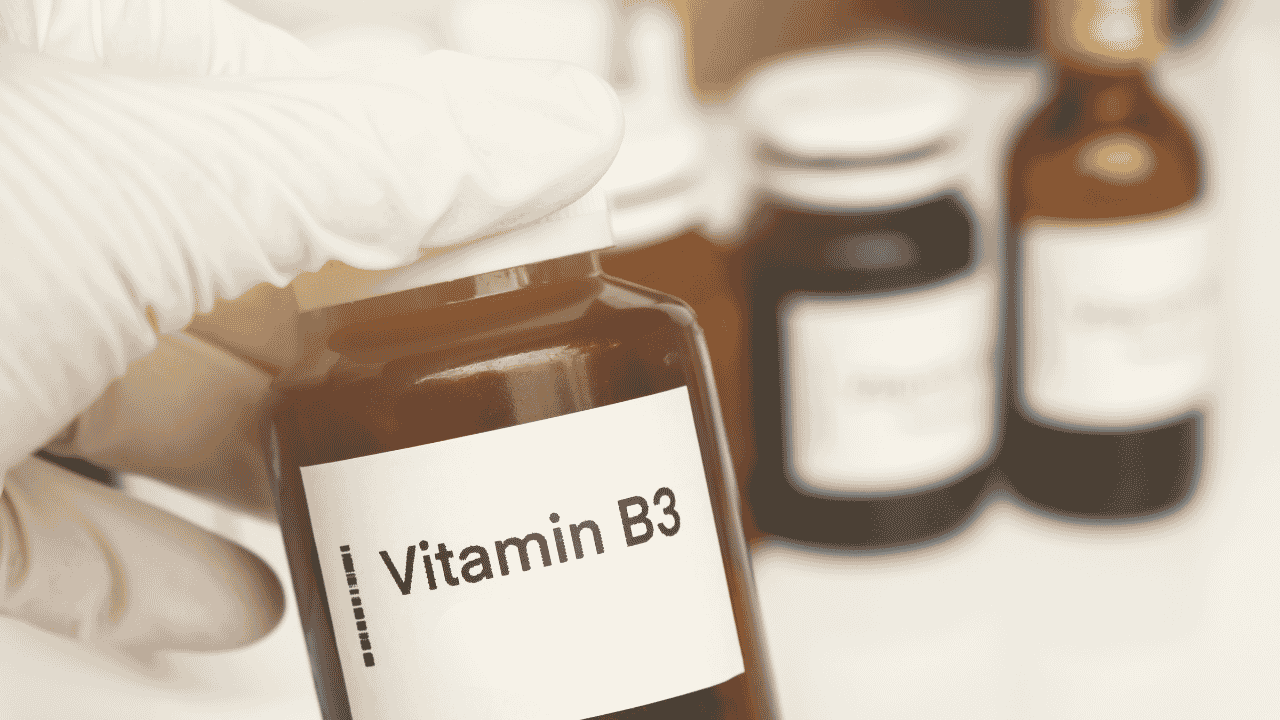
Can Nicotinamide Help Prevent Skin Cancer? What You Should Know
Jul 14, 2026@samanthaschneidermd If you've had a skin cancer diagnosis, this is a video worth saving. Nicotinamide — a form of vitamin B3 — has been shown in clinical trials to help reduce the risk of new basal cell and squamous cell skin cancers in high risk patients. And the timing of when you start it actually matters. The research suggests the benefit is strongest when you begin after your first skin cancer. The more skin cancers you've had before starting it, the less pronounced the protective effect. So if you've just had your first one, now is the time to bring this up with your dermatologist — don't wait. This is not a replacement for sunscreen. This is not a replacement for your regular skin checks. Think of it as an additional layer of protection on top of everything else you're already doing. 500mg twice daily is the dose studied in clinical trials. It's over the counter and affordable — but always talk to your dermatologist before starting it to make sure it's appropriate for you. And please, if you’re going to start this (after consulting with your medical team of course), make sure to grab nicotinamide, not niacin. Different thing entirely. Drop your questions below 👇 and share this with someone who's navigating a skin cancer diagnosis. #dermatologist #skincancerprevention #nicotinamide ♬ original sound - Samantha Schneider, MD
If you've had a basal cell carcinoma or squamous cell carcinoma, there's an over-the-counter vitamin that may help reduce your risk of developing another skin cancer.
It's called nicotinamide, a form of vitamin B3, and research suggests it may help lower the risk of future non-melanoma skin cancers when taken at the appropriate dose.
What Is Nicotinamide?
Nicotinamide is a form of vitamin B3 that supports healthy skin cell function and helps the skin repair damage caused by ultraviolet (UV) exposure.
Unlike sunscreen, nicotinamide doesn't prevent sunburn or block UV rays. Instead, it works from within the body to help skin cells recover from damage that can contribute to skin cancer over time.
Who Benefits the Most?
Studies suggest that the greatest benefit comes when nicotinamide is started after your first non-melanoma skin cancer.
Researchers have found that people who begin taking nicotinamide earlier in their skin cancer journey may see more benefit than those who wait until they've had multiple skin cancers.
If you've been diagnosed with even one basal cell or squamous cell skin cancer, it's worth discussing nicotinamide with your dermatologist or healthcare provider.
What Nicotinamide Doesn't Do
While nicotinamide can be a helpful tool for some patients, it's important to understand its limitations.
Nicotinamide is not:
- A cure for skin cancer
- A replacement for routine skin cancer screenings
- A substitute for sunscreen or sun-protective clothing
Instead, it may serve as an additional layer of prevention alongside regular skin checks and good sun protection habits.
Should You Take Nicotinamide?
Although nicotinamide is available over the counter, it's still a good idea to talk with your healthcare provider before starting any new supplement. They can help determine whether it's appropriate for your medical history and discuss the dosage that has been studied for skin cancer prevention.
The Bottom Line
If you've had a basal cell carcinoma or squamous cell carcinoma, nicotinamide may help reduce your risk of developing another non-melanoma skin cancer—especially when started after your first diagnosis.
Combined with regular dermatology visits, routine skin exams, and consistent sun protection, it may be one more way to help protect your skin for years to come.
Follow Dr. Schneider on TikTok Instagram Facebook
Want the transcript for this video instead?
Did you know that there's a vitamin that can help prevent skin cancer, especially if you have already had one? Let's talk about nicotinamide, which is a B vitamin that when taken in the correct dosing can help reduce the risk of non-melanoma skin cancers, think the basal cells, the squamous cell skin cancers.The best time to start something like this is after you've had your very first non-melanoma skin cancer. Because what the studies have found is that the longer you wait, the more skin cancers that you've had, the less benefit that you may actually get from taking this over the counter B vitamin. So if you have had skin cancer before, even if it's only one time,
this is something that I would highly encourage you to talk to your medical team about.
This is not a cure for skin cancer. It does not replace your skin cancer screening, but it's something that you can think about doing at home.
To help lower your risk of getting future skin cancers, especially if you start early.
Make sure you share this with someone you know who's had a skin cancer.
And if you have questions about skin cancer, make sure to drop them in the comments below.