Do You Really Have “Sensitive Skin”—or Could It Be Rosacea?
Mar 24, 2026@samanthaschneidermd Think your flushing is just sensitive skin? It might be rosacea—and you’re not alone. Rosacea is a chronic inflammatory condition linked to genetics, an overactive immune system, and nerve-triggered flushing. As a derm with rosacea, I’m here to help you calm the chaos. Follow for rosacea tips that actually work. #RosaceaAwarenessMonth #RosaceaSkincare #SensitiveSkin #DermTok #RosaceaHelp #SkincareEducation ♬ original sound - Samantha Schneider, MD
If your skin flushes easily, burns, or turns red for what feels like no reason, you may have always assumed: I just have sensitive skin.
But here’s the truth—those symptoms could actually be rosacea.
April is Rosacea Awareness Month, which makes it the perfect time to talk about what rosacea really is and why so many people live with it without realizing it has a name.
What Is Rosacea?
Rosacea is a chronic inflammatory skin condition. That means:
- It tends to be long-term
- There isn’t a single “cure”
- But there are many effective ways to manage it
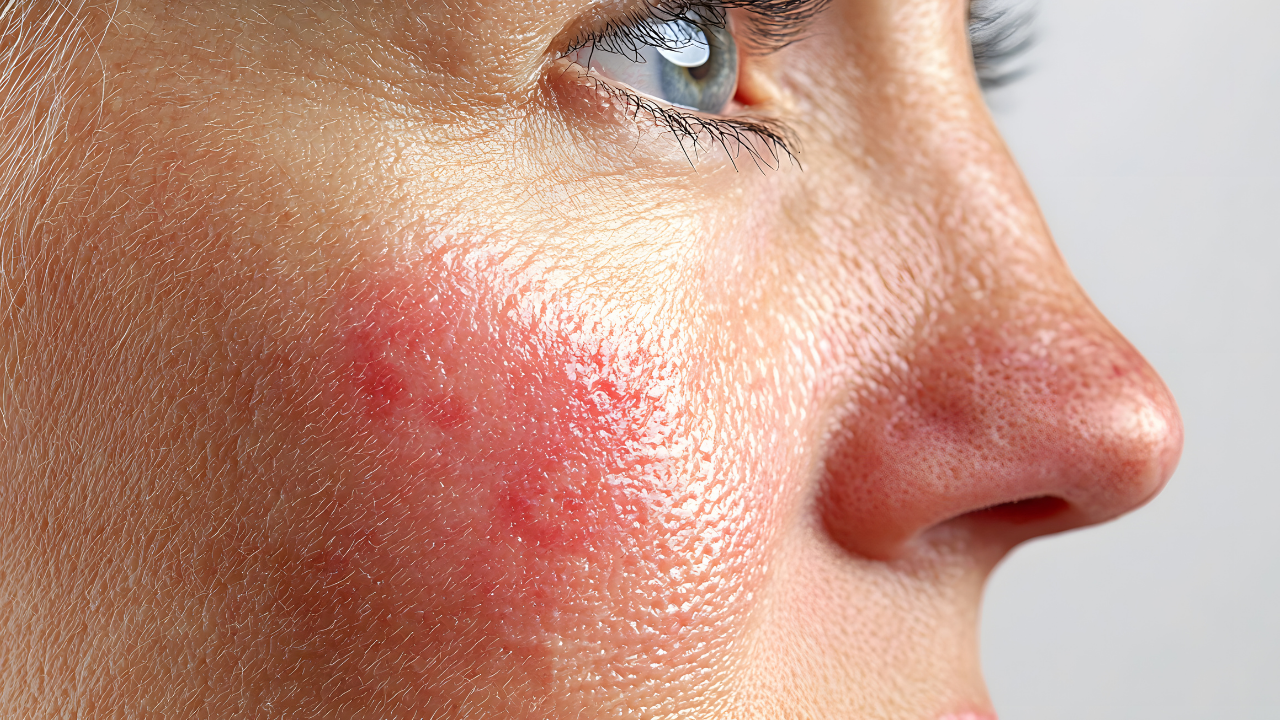
Common signs include:
- Facial redness or flushing
- Burning or stinging skin
- Visible blood vessels
- Acne-like bumps, especially on the cheeks, nose, and chin
Why Does Rosacea Happen?
There isn’t just one cause. Rosacea develops from a mix of factors:
Genetics – It often runs in families.
Inflammation – The immune system in rosacea-prone skin reacts more strongly to everyday triggers.
Neurovascular dysregulation – This is a big one. The nerves and blood vessels in the face overreact, causing sudden flushing, warmth, and dilation of blood vessels.
The skin microbiome – Tiny organisms called Demodex mites live on everyone’s skin and are completely normal. But people with rosacea can be more sensitive to them—or have higher numbers—which can contribute to redness and bumps.
The Good News
Even though rosacea is chronic, it is absolutely manageable. Treatment can help:
- Reduce redness and flushing
- Calm bumps and irritation
- Strengthen the skin barrier
- Identify and avoid personal triggers
You don’t have to just “live with it.”
If you’ve been struggling with what you thought was sensitive skin, consider that it might be rosacea—and that real help is available.
Follow Dr. Schneider on TikTok Instagram Facebook
Want the transcript for this video instead?
Do you have problems with your skin flushing and you've just always thought, I just have sensitive skin? Well, here's the thing. It might actually be rosacea. April is rosacea awareness month. So here we're gonna be talking a lot about rosacea. What is rosacea? Well, rosacea is a chronic inflammatory skin condition, which means that it is something that most.
People are gonna have throughout their life. There's not necessarily a cure, but there are absolutely things that can be done to manage it. Why do people get rosacea? Well, there tends to be a genetic component. It also has to do with an inflammatory response, and then something else called neurovascular dysregulation.
Basically means that your nerves and blood vessels aren't responding the way that they're meant to, and so sometimes they get flushed, they dilate. You can get that kind of burning and stinging feeling. There are things in the microbiome that can contribute to rosacea, namely dex mites, which are these little mites that we all have on our skin.
They are normal, but in rosacea patients. We just get a little bit more sensitive to them, and if we have more of them and we're sensitive to them, it can absolutely lead to more redness and more bumps. It's a chronic condition, but there are things that can be done. So please, I want you to follow along.
If you are suffering from rosacea, give me a heart in the comments. Send this to a friend so you can learn together.