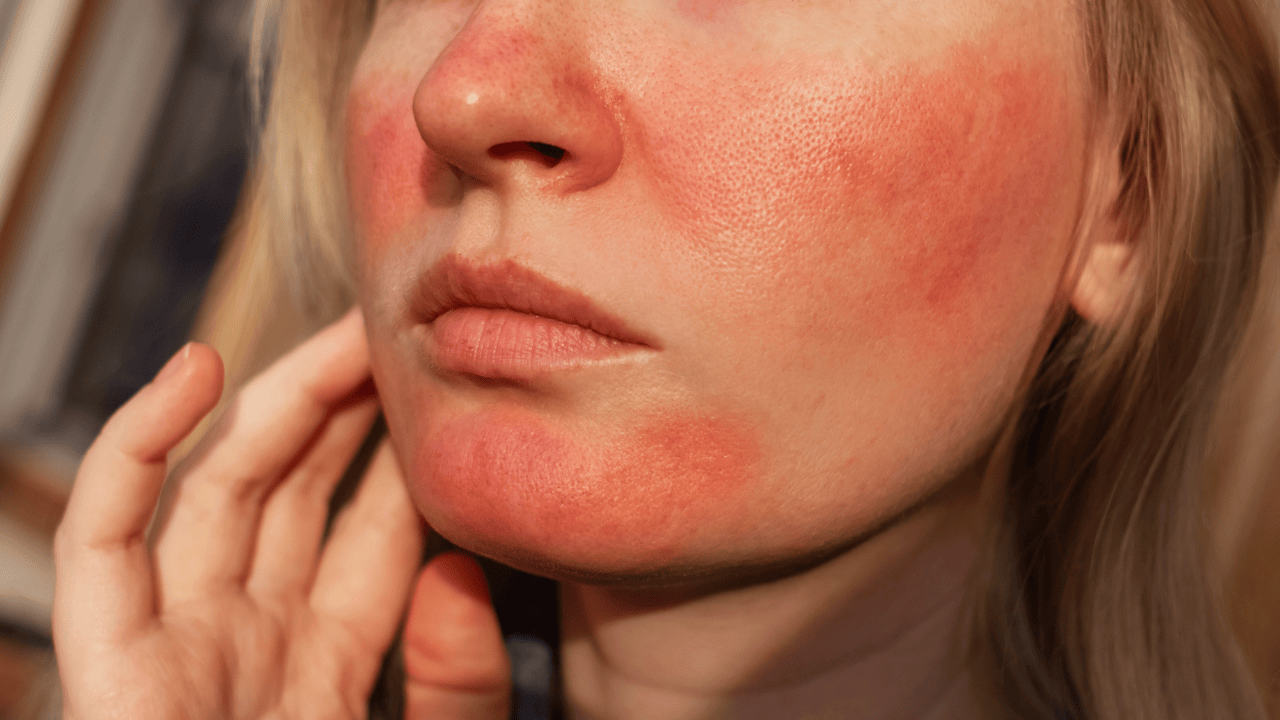
Understanding Rosacea Triggers: Why Your Skin Flares (and What You Can Do About It)
Apr 19, 2026@samanthaschneidermd Rosacea triggers can sneak up on you—one minute you're fine, the next... full flare! Common culprits? ☀️ Sun, 🌶 spicy food, ☕ caffeine, ,️ stress, and 🥂 alcohol. Everyone’s different, though! Drop your biggest rosacea triggers in the comments—I want to hear them all! #RosaceaAwarenessMonth #RosaceaTriggers #FlareUp #SensitiveSkin #DermTok #RosaceaSupport #SkinFlare #SkincareCommunity ♬ original sound - Samantha Schneider, MD
If you struggle with rosacea, you’ve probably asked yourself at some point: “Why is my skin flaring up today?”
The truth is, managing rosacea isn’t just about using the right products—it’s about understanding your personal triggers.
Because while there are common culprits, rosacea is highly individual. What affects one person may not affect you at all.
Let’s break it down.
The #1 Rosacea Trigger: Sun Exposure
One of the most common—and often overlooked—triggers is the sun.
For those with sensitive or rosacea-prone skin, sun exposure doesn’t just increase the risk of skin cancer and signs of aging like wrinkles and dark spots. It can also directly trigger flare-ups.
That’s why daily sun protection is so important—not just on sunny days, but year-round.
Common Rosacea Triggers to Be Aware Of
While everyone’s skin is different, there are several well-known triggers that tend to cause flare-ups:
Heat & Temperature Changes
- Hot weather
- Saunas or hot showers
- Sudden shifts from cold to warm environments
These can all lead to flushing and irritation.
Exercise
Physical activity is important for overall health—but it can increase body temperature and trigger redness or flushing in some people.
Food & Drink
- Spicy foods
- Hot beverages (like coffee or tea)
- Alcohol
These are common triggers, especially when they raise your internal body temperature.
Environmental Factors
- Wind
- Cold air
- Sun exposure
Even something as simple as a windy day can irritate sensitive skin.
Skincare & Products
Certain ingredients—especially harsh or active ones—can worsen rosacea symptoms. This includes products that:
- Strip the skin barrier
- Contain strong fragrances
- Are overly exfoliating
The Most Important Part: Your Triggers
Here’s where it gets personal.
Just because something is a “common” trigger doesn’t mean it’s your trigger.
You might tolerate spicy foods just fine—but notice flare-ups after a walk in the wind. Or maybe exercise doesn’t bother your skin, but a new skincare product does.
This is why paying attention to patterns matters so much.
How to Identify Your Triggers
One of the simplest (and most effective) tools? A quick log.
When you notice a flare, ask yourself:
- What did I eat or drink in the last 24 hours?
- Was I in the sun?
- Did I exercise or get overheated?
- Did I try a new product?
- Was the weather particularly hot, cold, or windy?
You don’t need anything fancy—just jotting down a few notes can help you start connecting the dots.
Over time, patterns usually become clear.
Managing Rosacea Starts With Awareness
There’s no one-size-fits-all solution for rosacea. But when you understand your triggers, you can start making small adjustments that make a big difference.
It’s not about avoiding everything—it’s about being informed and intentional.
Final Thought
If you have rosacea, your skin isn’t “random”—it’s responsive.
Learning what it’s reacting to is one of the most powerful steps you can take toward calmer, more predictable skin.
Have you noticed what your triggers are?
It might be time to start paying attention—you may be surprised by what you find.
Follow Dr. Schneider on TikTok Instagram Facebook
Want the transcript for this video instead?
The key to dealing with rosacea is understanding what the triggers are, and not just what the triggers are, but what your triggers are. So let's talk about rosacea triggers for a minute. The most common trigger is actually gonna be the sun, and that's why I spend so much time talking about sunscreen and sun protection because for those of us with sensitive skin, not. Only is the sun leading to the risk of skin cancer and photoaging, meaning brown spots, wrinkles, but it can actually flare our rosacea. Other common triggers are things like foods, spicy foods, anything that's hot. Temperature wise, alcohol can be a trigger. So a lot of the like kind of fun foods, other things, temperature changes if it's hot out. If you're exercising, that can lead to flushing. Wind can actually lead to rosacea, flares. Redneck. Of course, using certain products can absolutely lead to rosacea, flares, depending on what the ingredients are that are in there. Now, that doesn't mean that just because these can be triggers that they're going to be your trigger. So paying attention, looking for patterns, maybe even keeping a little log so you can see like, I'm flaring today, what happened in the last 24 hours? That can sometimes give you a lot of insight into how you can manage your rosacea. Have you noticed what your triggers are? Let me know in the comments.