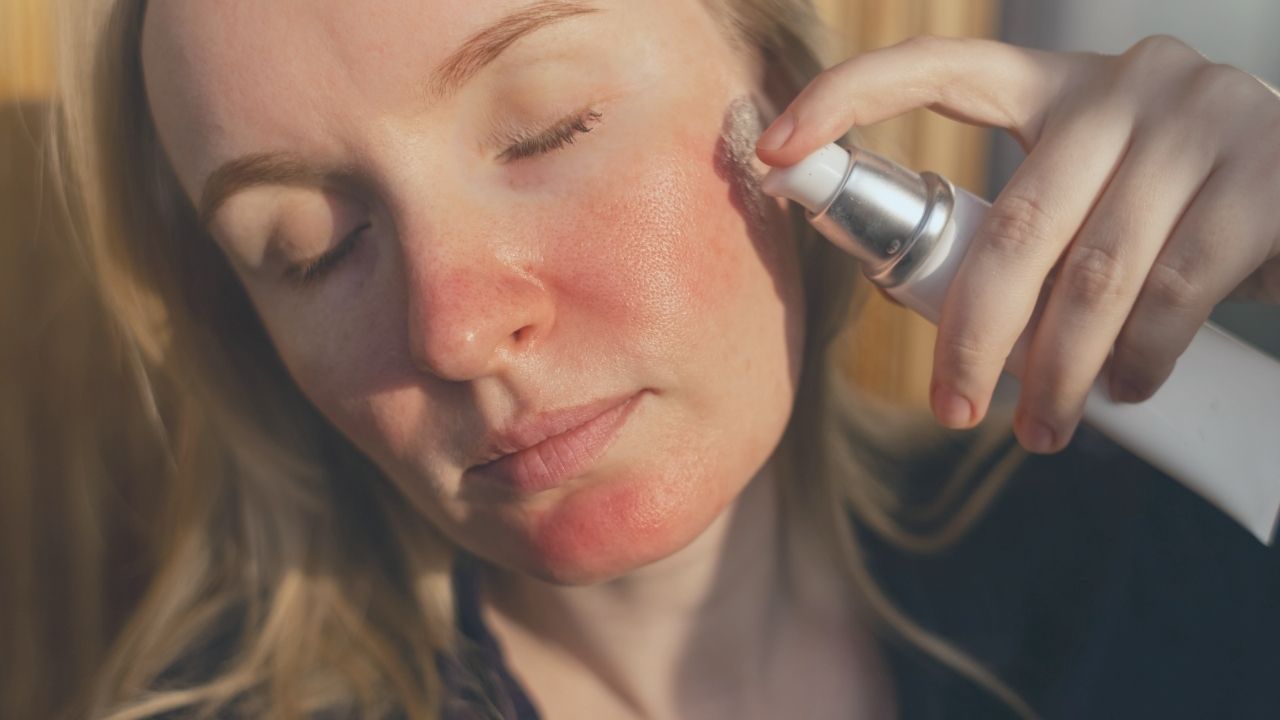
The 5 Most Common Retinol Mistakes (and How to Avoid Them)
Mar 01, 2026@samanthaschneidermd Retinol is powerful—but only if you’re using it right. Here are 5 mistakes I see WAY too often: 1️⃣ Starting with a high strength and frying your face 2️⃣ Using it as a spot treatment (it’s a full-face kind of moment) 3️⃣ Skipping SPF and undoing all your progress (retinol and sun are NOT friends) 4️⃣ Not moisturizing = flaking and irritation central 5️⃣ Giving up too soon—it takes time to see those glow-up results! Start slow. Be consistent. Protect your barrier. Your future skin will thank you. #RetinolMistakes #SkincareTips #Retinol101 #SkinBarrierSupport #GlowingSkinStartsHere #SkinEducation ♬ original sound - Samantha Schneider, MD
Retinol is one of the most powerful, proven ingredients in skincare. It can smooth fine lines, improve texture, fade dark spots, and even help with acne. But it’s also one of the products people struggle with the most.
If retinol has left you red, flaky, or ready to quit, you’re not alone. Most frustrations come down to a few simple mistakes.
Let’s break down the top five—and how to use retinol the right way.
Mistake #1: Starting Too Strong
Bigger isn’t better when it comes to retinol.
If the strength is too high, you can experience:
- Redness
- Peeling or flaking
- Burning or stinging
- Skin that looks and feels sunburned
That kind of irritation makes it hard to stick with treatment. Instead, start with a low strength and build up slowly. Your skin needs time to adjust.
Mistake #2: Using It as a Spot Treatment
Retinol is not a pimple cream.
It works by improving the way your entire skin surface turns over, stimulating collagen, and evening pigment. Using it only on a few spots won’t give you the real benefits.
Think of retinol as an all-over, long-term treatment—not a quick fix.
Mistake #3: Skipping SPF
Retinol can make your skin more sensitive to the sun. Without sunscreen, you’re more likely to get:
- Irritation
- New brown spots
- Faster aging despite using retinol
Daily SPF is non-negotiable when you’re using any retinoid. It protects your progress and keeps your skin healthy.
Mistake #4: Forgetting Moisturizer
Dryness is one of the main reasons people quit retinol.
Moisturizer helps you tolerate it better and use it consistently. One of our favorite tricks is the “retinoid sandwich”:
- Apply a layer of moisturizer
- Add your retinol
- Finish with another light layer of moisturizer
This buffers irritation while still letting the retinol do its job.
Mistake #5: Giving Up Too Soon
Retinol is a long game.
Real improvement usually takes 8–12 weeks, sometimes longer. If you stop after two weeks because you don’t see results, you’ll never get to the good part.
Consistency is everything.
The Golden Rule: Start Low, Go Slow
When used correctly, retinol is—besides SPF—one of the best ingredients you can put on your skin.
- Begin with a gentle strength
- Use it all over, not just on spots
- Wear SPF every day
- Pair it with moisturizer
- Stick with it for at least 2–3 months
Do that, and you’ll be amazed at what your skin can do.
If you’re unsure which retinol is right for you, we’re happy to help you choose a formula and routine that fits your skin type and goals.
Follow Dr. Schneider on TikTok Instagram Facebook
Want the transcript for this video instead?
Let's talk about the five mistakes that people make with retinols. The first one is using too strong of a retinol. What happens when it's too strong is your face can get irritated, it can get red, it can get flaky, it can peel a little bit. It can kinda look like a sunburn can be really hard to power through that.
Like you should just start with a lower strength Number two. Using it only as a spot treatment. It is not a spot treatment. It is an all over treatment mistake. Number three, not wearing SPF. They're making your skin a little bit more sensitive, so you definitely wanna be wearing an SPF Number four is not using a moisturizer.
It's gonna help you tolerate it better. It's gonna help you be able to use it every day. And consistency is. Heat. You can put your moisturizer on first. You can put your retinol on top and put moisturizer on. Again, we call that a retinoid sandwich, and number five, giving up too soon. Anything we do in skincare takes weeks to months to see a difference.
Usually I tell people like, give it two months, sometimes even three months to see a difference. So you really have to stick with it. Consistency is key. Don't give up on it too early. The key with retinol is to start low and go slow. You can use retinol the right way besides SPF, it is one of the best ingredients you can use on your skin.