Perioral Dermatitis: Why It Happens—and How to Heal It
Feb 26, 2026@samanthaschneidermd Replying to @Rose 🇵🇷 Perioral dermatitis can be SO frustrating — but healing is possible! The most common triggers: Overdoing skincare Topical steroids on the face Certain toothpaste ingredients My go-to tips: ✔️ Cut back to gentle skincare basics (no actives!) ✔️ Stop using topical steroids ✔️ Wash your face after brushing your teeth ✔️ Partner with a dermatologist if you're still struggling — you might need a personalized plan with prescription meds. And remember: it takes time to fully heal. Be patient with your skin! #PerioralDermatitis #SkinBarrierHealing #DermTips #GentleSkincare ♬ original sound - Samantha Schneider, MD
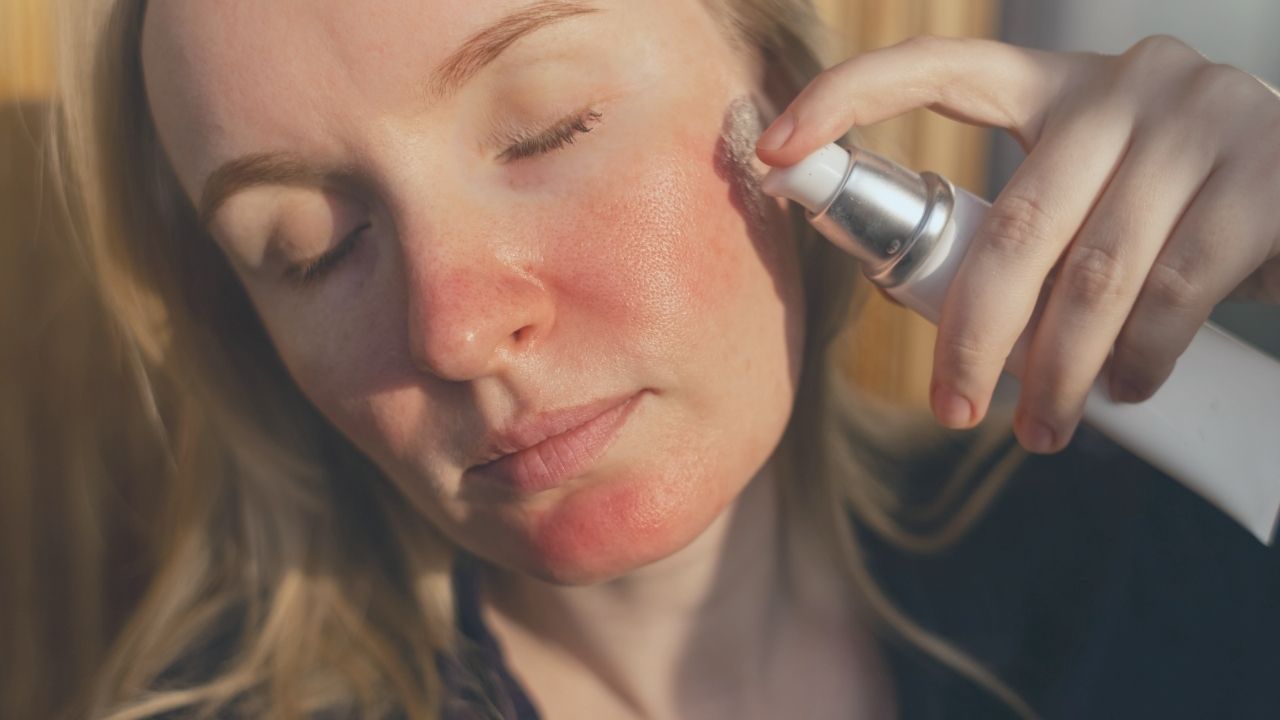
Perioral dermatitis can be frustrating, stubborn, and sometimes confusing. It often shows up as red, flaky bumps around the mouth, nose, or even the eyes, and many people mistake it for acne, eczema, or an allergic reaction. Unfortunately, treating it the wrong way can actually make it worse.
If you’re dealing with these symptoms, you’re not alone—and getting the right help can make all the difference.
What Does Perioral Dermatitis Look Like?
Perioral dermatitis typically appears as:
- Small red or pink bumps
- Dry, flaky, or irritated skin
- Sensitivity or mild burning
- Patches clustered around the mouth, nose, or eyes
Because it can resemble other skin conditions, many people try to treat it on their own first—which can sometimes backfire.
Common Triggers
There are a few well-known reasons perioral dermatitis develops:
- Too many skincare products
Using multiple active ingredients, harsh cleansers, or heavily fragranced products can irritate the skin barrier and trigger a flare. “More” is not better when it comes to sensitive facial skin. - Topical steroid creams
This is one of the biggest culprits. People often think the redness is eczema and apply steroid cream to calm it down. Steroids may help temporarily, but they usually make perioral dermatitis worse over time—and stopping them can cause a rebound flare. - Toothpaste ingredients
Fluoride and certain foaming agents like SLS (sodium lauryl sulfate) can irritate the skin around the mouth. A simple habit change can help: brush your teeth first, then wash your face to remove any residue.
First Steps You Can Take
- Simplify your skincare routine—gentle cleanser, basic moisturizer, nothing harsh
- Avoid topical steroids on the face
- Switch to a mild, non-irritating toothpaste if needed
- Be patient—this condition doesn’t clear overnight
When to See a Dermatologist
Perioral dermatitis can be tricky to treat on your own. If symptoms persist, partnering with a dermatologist is important. Treatment may include:
- Oral antibiotics to calm inflammation
- Prescription topical antibiotics
- Non-steroid anti-inflammatory creams
- A personalized plan to repair your skin barrier
Healing can take weeks to months, which is why this condition feels so discouraging. But with the right approach—and the right guidance—it does get better.
You don’t have to figure this out alone. If you’re struggling with persistent redness or bumps around your mouth, nose, or eyes, reach out for professional help so you can get a plan tailored to your skin.
Follow Dr. Schneider on TikTok Instagram Facebook
Want the transcript for this video instead?
Be really tricky to treat. If you are struggling with per oral dermatitis, I would strongly encourage you to reach out to a dermatologist so that you can get personalized and professional help. It is red, kind of flaky bumps and skin around the orifices on the face, so it can be around the mouth, it can be around the nose, it can be around eyes.
There are a couple of reasons why people get this. The first thing is using a lot of skincare products that can irritate the skin and that can lead to this. So really pairing back what you're doing for your skincare can also be related to using topical steroids on your face. Maybe you think it's eczema.
Your skin is kind of red, it's flaky, and so you're using steroids on it to try and calm it down. That actually makes us worse. We have to stop the steroids in fluoride and other ingredients like STS and toothpaste can. Sometimes make a difference. So I always recommend that you brush your teeth first and then you wash your face.
If it's still being really stubborn, you're still having trouble, and that's when you really need to partner with a dermatologist so you can decide together as a partnership. Do you need to go on oral antibiotics, which we sometimes use to treat this. Do you need topical medication? Sometimes we use topical antibiotics.
Sometimes we use other types of topical anti-inflammatory cream. Different than topical steroids. What do we need to do to support you as you're healing and recovering from this? But it can take weeks or months for this to get better. That's why it can be so frustrating for people.