Skin Health in 2026: A Dermatologist’s Hopes and Predictions
Jan 08, 2026As a board-certified dermatologist, I see daily how easily trends can distract from what actually works. With the arrival of the year, my goal is to help you move away from noise and toward a more grounded, whole-person approach to skin and hair health.
Here are five shifts to encourage and celebrate in 2026, along with new tools coming—like a membership program and an online hair course—to help you understand and care for your skin and hair more confidently.
1. Skincare minimalism: doing less, better
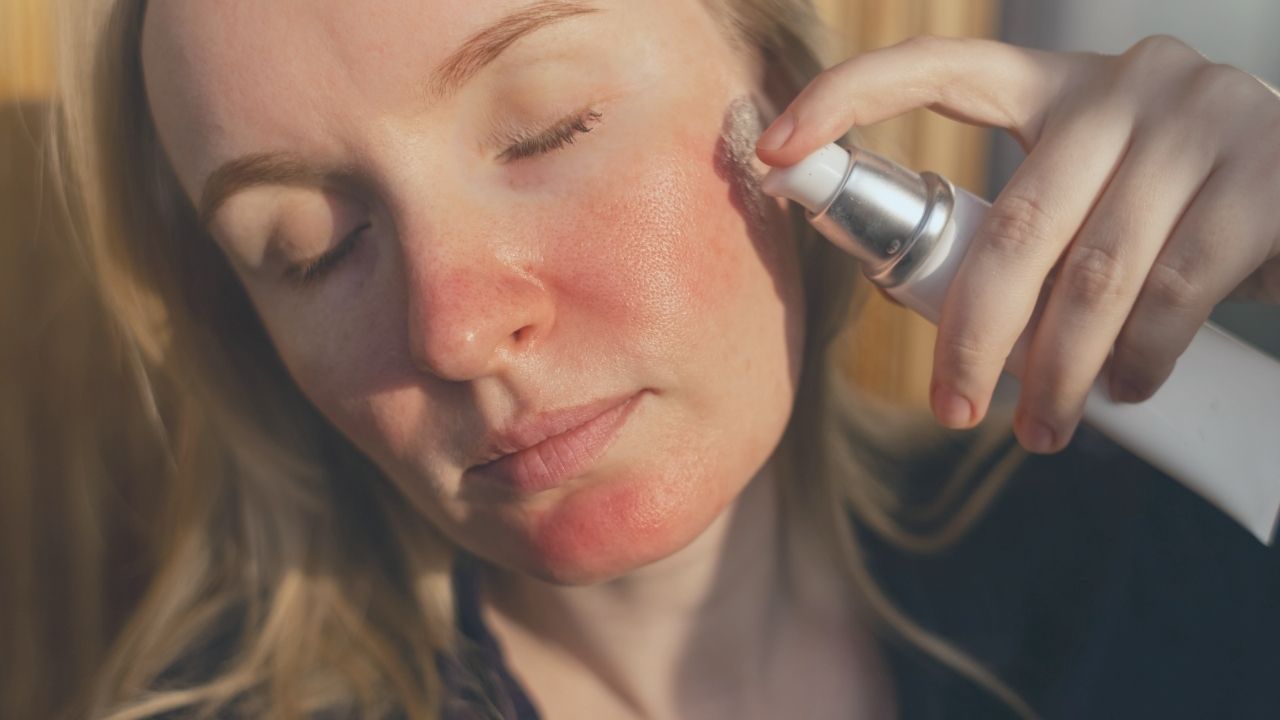
Using more products does not always mean better skin. Many people with burning, redness, and breakouts actually have skin that is stressed and overloaded.
In 2026, the focus is:
- Use a few good products every day instead of a long 10–12 step routine.
- Avoid stacking many strong products, like several exfoliants or “anti-aging” serums, all at once.
- Build your routine around three basics: gentle cleanser, moisturizer, and sunscreen, then add only what your skin really needs.
Simple, steady routines are easier to follow and kinder to your skin over time.
2. Fiber and your gut: skin health from the inside
Fiber is the part of plant foods that your body cannot fully break down. It feeds the good bacteria in your gut and helps lower inflammation in the body, which can show up as calmer skin and better hair.
Fiber helps your skin by:
- Supporting a healthy gut, which is linked to less inflammation in conditions like acne, rosacea, and eczema.
- Helping keep blood sugar more steady, which may support hormones and oil production in a gentler way.
- Taking the place of very processed, sugary foods that can make inflammation worse.
You do not need a special “skin diet.” Try to fill your plate with vegetables, fruits, beans, whole grains, nuts, and seeds most days of the week.
3. Movement and collagen: exercise as skin care
Moving your body helps your heart, mood, and sleep—and it also helps your skin and hair. Exercise improves blood flow, helps your body handle stress, and supports a healthy immune system, which can calm some skin problems.
Strength training and collagen
Collagen is a protein that helps keep skin firm and springy. When you do strength or resistance training, you create gentle stress in your muscles and tissues, and this signals your body to repair and rebuild.
- Strength training helps build and keep muscle, which gives your skin better support underneath.
- Better posture and muscle tone can make the face and body look more lifted and rested.
- Regular strength work plus enough protein can support healthy tissue repair over time.
Losing about 1% of collagen a year
Starting in the late 20s, the body makes a little less collagen each year—about 1% less per year on average. Over many years, this can lead to fine lines and looser skin, especially with sun and pollution.
This is why starting early matters:
- It is easier to protect collagen than to fix deep sagging later.
- Strength training, sun protection, and gentle, collagen-supporting skin care work best when they are part of your routine early on.
Think of resistance training strength as a “collagen habit” for your whole body, not just a fitness goal.
4. Protecting your skin barrier
Your skin barrier is the top layer of your skin. It keeps moisture in and keeps germs and irritants out. This layer is made of skin cells and natural fats like ceramides, cholesterol, and fatty acids.
When the barrier is damaged:
- Skin loses water more easily and can feel dry, tight, or rough.
- You may feel burning or stinging, even with gentle products.
- Conditions like eczema or rosacea may flare more often.
Moisturizers that contain ceramides and other skin fats can help repair this barrier and improve moisture.
To protect your barrier:
- Choose moisturizers that list ceramides and similar fats on the label.
- Do not over-scrub or use too many strong acids or “peels.” More is not always better.
- If your skin is sore or very sensitive, take a break from strong actives and focus on gentle care.
5. Hair health takes center stage
Your scalp is skin, and your hair grows out of tiny organs called hair follicles. Hair can be affected by hormones, nutrition, stress, inflammation, and your family history.
In 2026, the focus is on:
- Helping people tell the difference between normal shedding and true hair loss, so they can get help sooner.
- Looking at the whole picture—iron levels, vitamins, thyroid, medicines, scalp health—rather than only trying random supplements.
- Using treatments that have good evidence behind them and giving them time to work.
Food matters here too. Eating in a way that lowers inflammation and provides enough key nutrients can support hair and may help medical treatments work better. Hair growth is slow, so early care is important.
New online hair course coming
To make hair care easier to understand, a new online hair course will launch soon. It will:
- Explain how hair grows and what normal shedding looks like.
- Help you know which lab tests and checks might be useful for your type of hair loss.
- Walk through treatment options in clear, simple language, from shampoos and foams to medicines and in-office procedures.
Hair loss can be stressful and you do not have to figure it all out alone.
Looking ahead: less noise, more care
The hope for 2026 is to focus on what truly helps: simple routines, more fiber, regular movement, a strong skin barrier, and smart hair care. With the new membership and hair course, you will have a clear place to learn, ask questions, and feel supported in caring for your skin and hair over time.