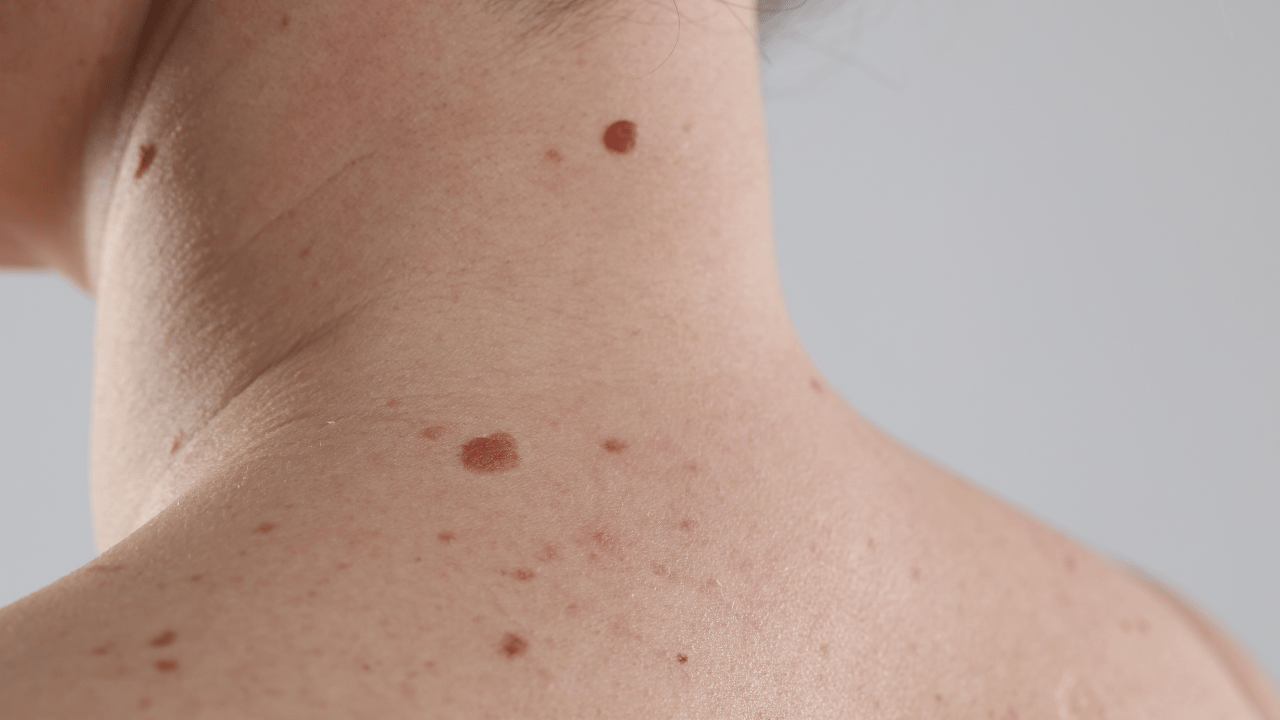
Those Brown, Waxy Spots on Your Skin—What Are They?
Apr 25, 2026@samanthaschneidermd These are one of the top reasons patients come in worried—and relieved. Seborrheic keratoses are common, benign, and not preventable in the way most people hope. The goal isn’t DIY removal—it’s knowing when something is normal and when it needs a closer look. When in doubt, peace of mind is worth the visit.
♬ original sound - Samantha Schneider, MD
If you’ve noticed brown, slightly raised, waxy-looking spots on your face, chest, back, or arms… you’re not alone.
This is one of the most common questions dermatologists get:
“What are these—and should I be worried?”
Let’s clear it up.
What Are These Spots?
These growths are called seborrheic keratoses.
They often:
- Look brown, tan, or even black
- Have a waxy or “stuck-on” appearance
- Show up on the face, chest, back, or arms
And the most important thing to know:
👉 They are benign (non-cancerous).
Why Do They Happen?
The honest answer? Genetics.
These spots tend to “run in families.”
If you’ve ever noticed similar spots on a parent or grandparent, that’s your clue.
They also tend to appear more as we age—sometimes jokingly referred to as something that comes with “birthdays.”
Sun exposure may play a role too, which is why protecting your skin still matters.
Can You Prevent Them?
This is where it gets a little frustrating.
There’s no reliable way to completely prevent seborrheic keratoses, especially if you’re genetically prone to them.
That said:
- Daily sunscreen can help reduce additional sun-related triggers
- Protecting your skin is still important for overall skin health
But beyond that, there’s no magic product that stops them from forming.
What About At-Home Removal?
You’ve probably seen:
- Scrubs
- Acids
- DIY “removal” products
Here’s the reality:
👉 These do not prevent new spots from forming
👉 They may not remove what you think they’re removing
👉 They can lead to irritation, discoloration, or scarring
So while it’s tempting, at-home treatments can sometimes do more harm than good.
When Should You See a Dermatologist?
Even though seborrheic keratoses are benign, it’s still important to get checked if something seems off.
Make an appointment if a spot is:
- Growing or changing
- Bleeding
- Itching or becoming irritated
- Looking different from your other spots
A dermatologist can:
- Confirm what it is
- Rule out skin cancer
- Discuss safe removal options if desired
Can They Be Removed?
Yes—if they bother you cosmetically or become irritated, dermatologists can remove them using methods that aim for the best possible cosmetic outcome.
The key is doing it safely and correctly.
Final Thought
Seborrheic keratoses are incredibly common and not dangerous—but that doesn’t mean you should ignore changes in your skin.
When in doubt, it’s always worth getting reassurance.
Because peace of mind (and catching anything concerning early) is always the goal.
Follow Dr. Schneider on TikTok Instagram Facebook
Want the transcript for this video instead?
One of the most common things that I get asked about as a board certified dermatologist who sees patients in clinic every day is these brown, waxy moles that people get on their face, their chest, their back arms kinda look like these. If you've been wondering about these spots, make sure to save this video and follow for more real dermatology answers.
These are called seic keratosis. They are benign growths. They come with birthdays and genetics. So if mom or dad, grandma or grandpa. When you were at the beach and they took their shirt off and you saw their back, if they had a bunch of these, you know, you got them. Honestly, that's where they came from.
Genetics. The main question that I get is like, is this cancer? Whew. Thank goodness it's not. But well, how can I prevent these from coming? Like, what can I do so that I'm not getting more of them? And honestly, it's kind of bad news because genetics are really hard to fight and there's not a lot of things you can do to prevent new ones from coming besides wearing sunscreen because we know sun exposure plays a role.
Scrubs and acids and other DIY at home removal things. Don't prevent new ones from coming. They may, you may not be removing what you think you're removing, and it could lead to Marks left behind, like scarring. So if you do have some that look funny and you're worried, or ones that are symptomatic, growing, changing, bleeding, itching.
Or you wanna talk about options, to have them removed in a way where it looks nice afterwards than seeing a dermatologist and having that reassurance, that conversation about what options are, can be super, super helpful. Bottom line, these are benign, but when in doubt, make sure you make an appointment and get the reassurance that you need because we don't wanna miss a potential skin cancer.