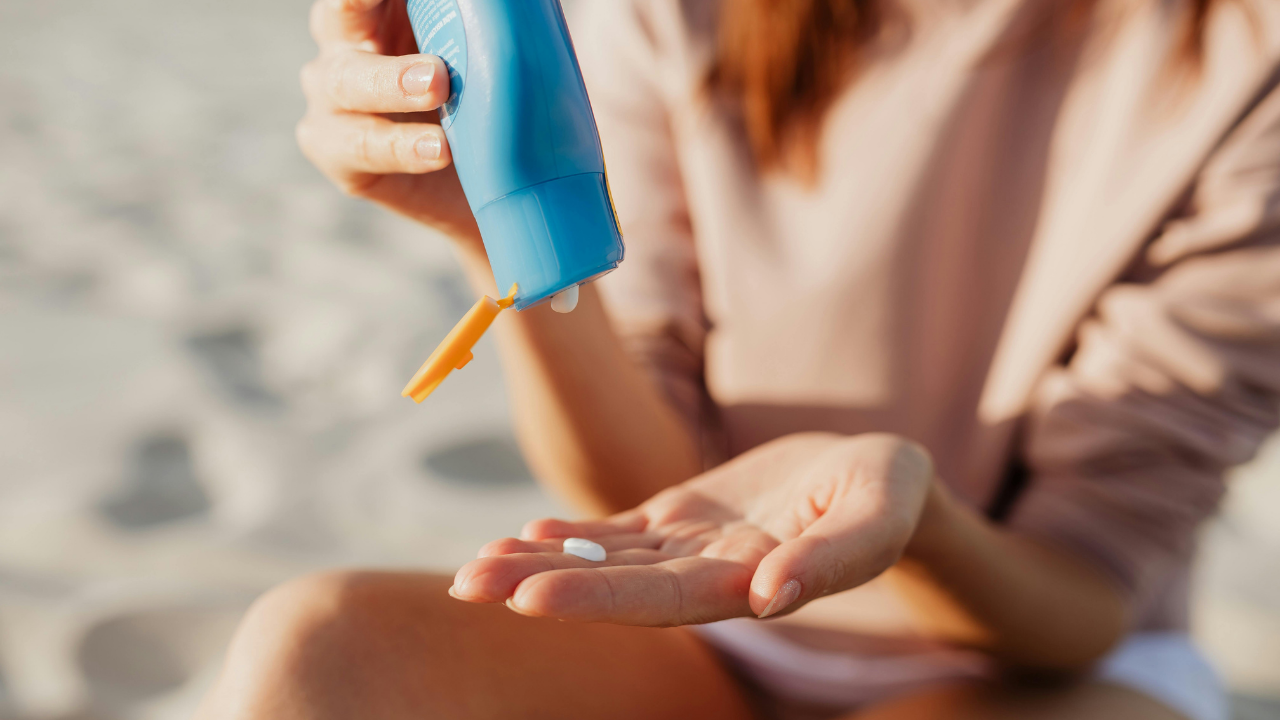
Mineral vs. Chemical Sunscreen: Here’s the Easy Way to Tell the Difference
Feb 10, 2026@samanthaschneidermd If you can actually pronounce the active ingredients (hi, zinc and titanium), it’s mineral. ✌️ If it sounds like you’re casting a spell (hard to read and pronounce), it’s chemical. ✨ Either way — wear your dang sunscreen. ☀️ #SPFtips #MineralVsChemical #DermSaysWearIt ♬ original sound - Samantha Schneider, MD
Have you ever stood in the sunscreen aisle completely overwhelmed? Labels say mineral, physical, chemical, organic—and suddenly buying sunscreen feels like a chemistry exam.
Let’s simplify this once and for all.
There are two main types of sunscreens:
- Physical blockers – also called mineral sunscreens
- Chemical blockers – also called organic sunscreens
Those extra names don’t mean “natural” versus “unnatural.” In chemistry, the word organic just means carbon-based molecules. So a “chemical” or “organic” sunscreen isn’t scary—it’s just a different way of filtering UV light.
The Simple Trick to Tell Them Apart
You don’t need to memorize anything complicated. The answer is on the back of the bottle.
👉 Flip to the Active Ingredients list.
- If you see zinc oxide or titanium dioxide → that is a mineral/physical sunscreen.
• If you see long, hard-to-pronounce ingredients like homosalate, octinoxate, avobenzone, octocrylene → that is a chemical sunscreen.
That’s it. Zinc and titanium = mineral. Long science-y words = chemical.
What About Combination Sunscreens?
Some products contain both. For example, you might see:
- Zinc oxide
- Homosalate
- Octinoxate
That means it’s a combination sunscreen using both mineral and chemical filters for protection.
Why This Matters
Both types can protect your skin from harmful UV rays, but people often have preferences:
- Mineral sunscreens sit on top of the skin and reflect UV light. They’re often recommended for sensitive skin, kids, or people prone to irritation.
- Chemical sunscreens absorb UV light and tend to feel lighter and blend more easily without a white cast.
There isn’t one “right” choice—just the one that fits your skin type and lifestyle.
Your New Sunscreen Shopping Superpower
Next time you’re staring at a wall of options, don’t panic. Just:
- Pick up the bottle
- Turn it over
- Read the active ingredients
Zinc or titanium? → Mineral/physical blocker ✔
Long, tricky words? → Chemical blocker ✔
Now you can shop sunscreen with confidence instead of confusion.
Follow Dr. Schneider on TikTok Instagram Facebook
Want the transcript for this video instead?
You hear someone talk about mineral sunscreen, physical sunscreen, chemical sunscreen, organic brain, like what are they talking about? Like I wanna teach you a trick so that when you are at the store, you can be an informed consumer. There are two main types of sunscreens. There's physical blockers and there's chemical blockers.
Physical blockers are also known as mineral sunscreens. Chemical blockers are also known as organic sunscreens, just carbon based molecules. And so that's why they have that name. How are you gonna tell them apart? So you want to look at the back of your sunscreen. Read the active ingredient. The active ingredient says zinc, titanium.
Those words are easy to pronounce and they're easy to read. Now we're gonna look at a chemical sunscreen at the ingredient list, homo salicylate octinoxate. Do cryin, zinc. This is a combination, right? And you can have a combination sunscreen, all of those words that are long and hard to pronounce, those are your chemical filters.
Zinc and titanium. Easy to read, easy to pronounce. Those are your mineral or physical blockers. Next time you are in the sunscreen aisle at the store and you're like, oh my God, there's so many choices. This is your trick. Read the back. Zinc and titanium, that's your mineral blocker.