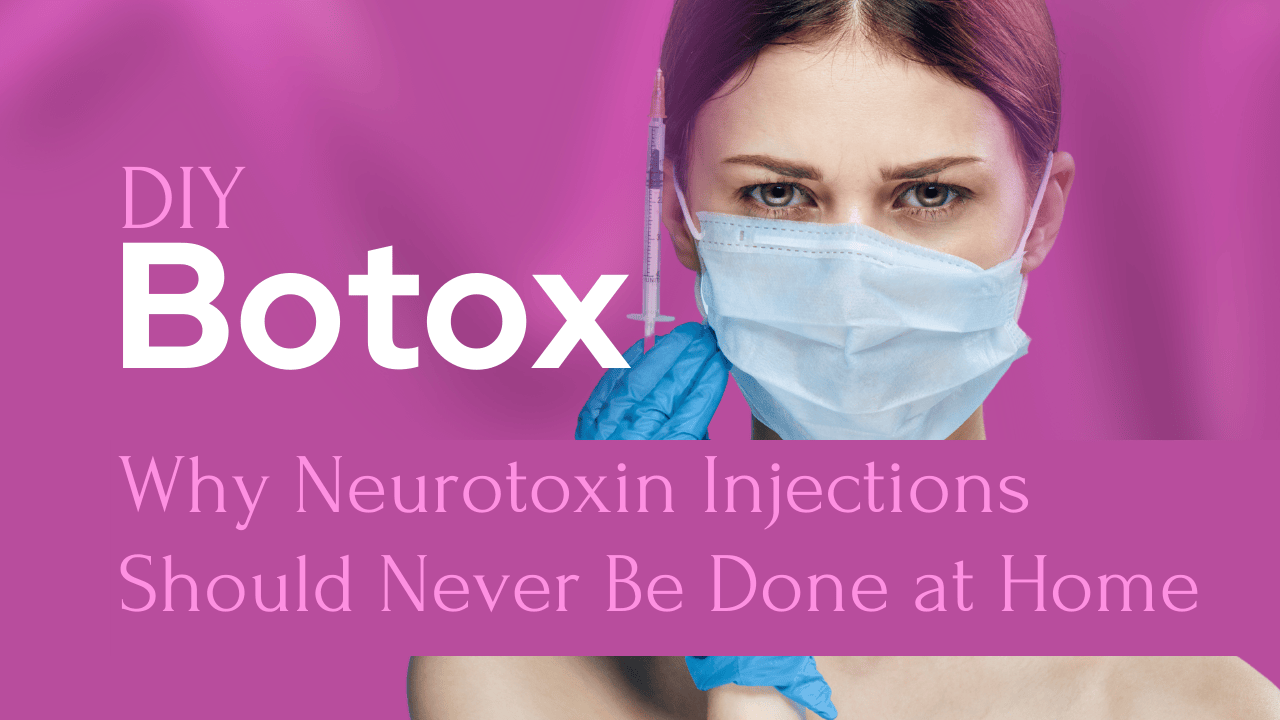
DIY “Botox” Warnings: Why Neurotoxin Injections Should Never Be Done at Home
Jan 07, 2026DIY neurotoxin injections are dangerous medical procedures that can cause life‑threatening illness, including paralysis and respiratory failure, and should never be done at home or by unlicensed injectors. When performed with FDA‑approved products by licensed, trained professionals using medical‑grade supplies, botulinum toxin injections have a long safety record and are very different from “DIY Botox” kits purchased online.
Why DIY “Botox” Is So Risky
Botulinum toxin is one of the most potent toxins known and is safe only when used in tiny, carefully measured doses by medically trained injectors. In recent reports, people who injected themselves with neurotoxin purchased online developed symptoms like double vision, drooping eyelids, difficulty speaking and swallowing, shortness of breath, and limb weakness within days of treatment. Some required hospitalization for several days, and one CDC report describes three women who needed botulism antitoxin after self‑injecting cosmetic botulinum toxin bought online.
A November 2025 health advisory from New York State and New York City describes ten people who became severely ill after “DIY” injections with products bought from unlicensed sources; all were hospitalized and three required intubation and mechanical ventilation. None of the people who injected or were injected in these events met their states’ requirements to purchase or administer botulinum toxin, underscoring that these were not medical procedures done in appropriate settings. Even small errors in dose, dilution, or injection depth can allow toxin to spread beyond the intended area and mimic botulism, which can be fatal without prompt treatment.
Problems With Online and Black‑Market Product
The neurotoxin used in these DIY cases was purchased from online vendors, often outside the United States, without any verification that the product was genuine, correctly stored, or appropriately labeled. CDC notes that botulinum toxin bought from unlicensed sources may be mislabeled or unlabeled, counterfeit, contaminated, or dangerously potent, and may also contain unknown additional ingredients that can trigger local or systemic reactions. In many of the recent illnesses, patients were unable to provide complete product information, and health departments could not obtain vials for testing, highlighting how little is known about what was actually injected.
Public health reports from both 2024 and 2025 have linked severe illness to presumed counterfeit or unapproved botulinum toxin used in nonmedical settings, including products advertised on social media and sold at deep discounts. Red flags include vials without proper labeling, products shipped from overseas sellers, prices that are far below typical medical office costs, and vendors operating through messaging apps rather than regulated distribution channels. When the source and concentration of a toxin are unknown, there is no way to predict the dose, effect, or safety.
How Medical Treatment Is Different
When you receive cosmetic neurotoxin in a medical practice, your injector is required to meet state licensing and training standards and to follow evidence‑based dosing and injection protocols. FDA‑approved botulinum toxin products used in clinics are purchased directly from the manufacturer or authorized distributors, which ensures the drug’s identity, potency, and storage conditions. In contrast to DIY situations, doses are calculated for your anatomy and goals, sterile technique is maintained, and you are monitored for rare side effects with a clear plan for follow‑up.
Regulated product and expert technique dramatically reduce the risk of serious complications, even though transient, localized effects such as temporary asymmetry can still occur. Licensed dermatologists and plastic surgeons also recognize early warning signs of atypical reactions and can coordinate rapid evaluation, including emergency care and consultation with public health authorities if botulism is suspected. This comprehensive safety net does not exist when someone injects themself alone at home after watching online videos.
When to Seek Help
Anyone who has performed a DIY neurotoxin injection or received injections from an unlicensed person should seek urgent medical care if they notice trouble swallowing, speaking, breathing, or moving their eyes, face, neck, or limbs. In recent cases, patients were treated with botulism antitoxin through coordination with health departments and CDC, and most recovered but sometimes with lingering symptoms. Health agencies now specifically recommend that clinicians ask about DIY cosmetic injections when evaluating patients with possible botulism‑like symptoms and immediately report suspected cases so antitoxin can be released quickly.
For patients who are interested in cosmetic neurotoxin but worried by these headlines, it is important to remember that the problem is not “Botox” itself but unsafe products and unsafe settings. Choosing a board‑certified dermatologist or plastic surgeon who uses FDA‑approved products sourced directly from the pharmaceutical company, in a regulated medical environment, is the safest way to achieve cosmetic results while protecting your health.